

GLP-1s and the Nervous System
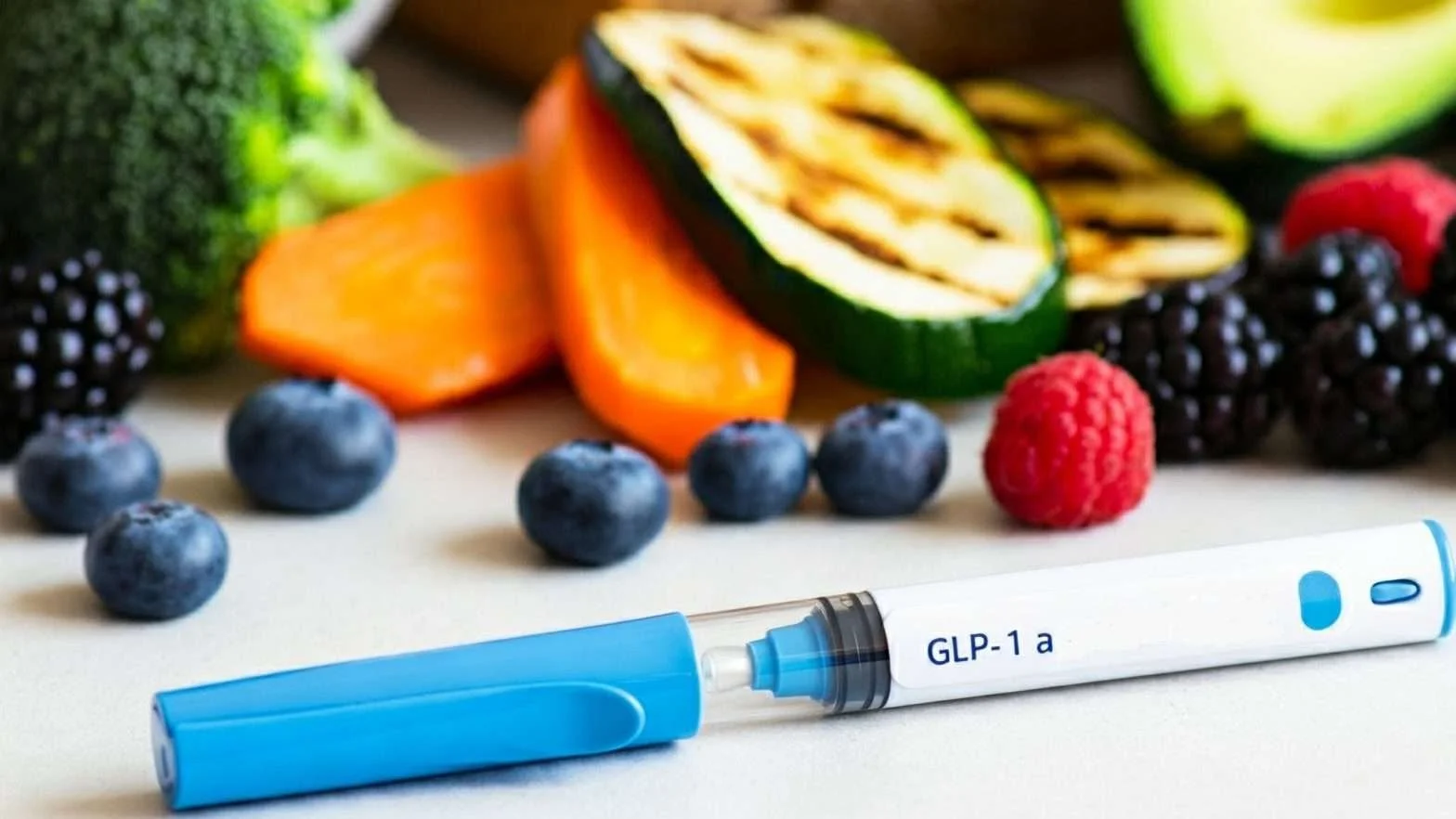
There’s a story you haven’t been told.
I feel like everyone is talking about GLP-1s right now. And if they’re not talking about them publicly, they’re talking about them privately. Ozempic, Wegovy, Mounjaro, Zepbound, and others — all drugs marketed for weight loss.
There’s a lot of stigma around these medications. A lot of fear. And a lot of misinformation. Some of the concerns are valid, and some of them aren’t. But what’s missing from most of the conversation is the full picture — including the potential benefits that have nothing to do with weight loss.
A close friend of mine is a massage therapist, and she told me recently that many of her clients are on GLP-1 agonists — but they talk about it almost in a whisper. They don’t want anyone to know.
That alone tells me something important.
So let’s shine a spotlight on these drugs to better understand them. Let’s slow this conversation down and look at what these medications actually are, what the real risks are, and why there may be meaningful benefits beyond weight loss — including support for the nervous system, inflammation, and overall metabolic health.
Why I Was Skeptical (And Why I Changed My Mind)
When I first heard about these drugs and how they worked, I had a very negative opinion of them.
As someone who specializes in nervous system health, gut health is also a huge part of the picture. One of the major effects of GLP-1s is that they slow digestion. Your body naturally produces these peptides to help you feel full so you stop eating — and part of how they do that is by slowing peristalsis, the movement of food through your digestive system.
That immediately raised red flags for me.
Slow peristalsis can lead to a lot of issues. In fact, many people with a dysregulated nervous system already struggle with gut dysfunction, because chronic stress slows digestion. Over time, this can increase fermentation in the gut, leading to gas, bloating, and eventually imbalances in bacteria or fungal overgrowth. It can also compromise the gut lining, which is often a root contributor to autoimmune conditions and systemic inflammation.
So yes — there is very real reason for caution here.
Another reason I was resistant to these medications was how I was seeing them used. So many people were looking to these drugs as a way to get results without changing their lifestyle. “I can eat whatever I want and not exercise and still lose weight!” I get why that’s appealing, but it’s an approach that only leads to more problems long term.
As much as we might hate it, diet and lifestyle are the foundation to health. We can’t supplement our way out of a poor diet, and no medication can override habits that consistently work against the body. Yes, weight loss may still happen and some people do feel better initially — but if the underlying patterns that contributed to health challenges aren’t addressed, those benefits often don’t last long term.
But I’ve also seen — and personally experienced — the other side of this.
I work with clients who eat well, move their bodies, do their best to manage stress, and prioritize their relationships. And yet, they still struggle. They may deal with weight gain, chronic inflammation, autoimmune conditions, anxiety, hormone imbalances, or a long list of symptoms that don’t seem to resolve no matter how “right” they do things.
They’re doing everything they’ve been told to do — and it still isn’t enough.
There are often deeper drivers underneath that picture. Things like long-term stress, trauma, metabolic dysfunction, inflammation, or nervous system dysregulation — many of which are either incredibly difficult to heal or partly out of our control.
For me personally, I live a fairly high-stress life. Some of that is within my control (choosing what I say yes to), but some of it isn’t. I do my best to support my nervous system, eat well, and take care of my body — and overall, I feel healthy. But there are still areas that never quite seem to fully resolve or remain a challenge.
So when I started hearing that GLP-1s — medications originally developed for people with diabetes — were helping some individuals reduce inflammation, calm autoimmune symptoms, balance hormones, and even regulate their nervous system, I had to understand why.
I needed to know how something marketed for weight loss was creating these kinds of effects.
And what I’ve learned since then has completely changed the way I see these peptides — not just for my clients, but for myself as well.
So first, let’s talk about what GLP-1s actually are — and how they work in the body.
What GLP-1s Actually Are (And What They Aren’t)
GLP-1 stands for glucagon-like peptide-1. And despite how it’s talked about in the media, it’s not some foreign substance your body doesn’t recognize.
GLP-1 is a peptide your body already makes.
Peptides are short chains of amino acids that act as messengers. They tell different systems in the body how to communicate with one another. Hormones, neurotransmitters, and immune signals all rely on this kind of communication.
GLP-1 is released primarily in the gut in response to food. Its job is to help regulate blood sugar, signal fullness, and coordinate communication between the gut, brain, pancreas, and metabolism.
The medications you hear about are therapeutic versions of this naturally occurring peptide, designed to last longer in the body than the version we make on our own.
That distinction matters.
The Nervous System Connection No One Is Talking About
What really caught my attention is where GLP-1 receptors are found.
They aren’t just in the gut and pancreas — they’re also in the brain.
GLP-1 plays a role in the gut–brain axis, which is the communication loop between your digestive system and your nervous system. This pathway influences appetite, stress perception, inflammation, mood, and even motivation.
When blood sugar is unstable, inflammation is high, or digestion is impaired, the nervous system often stays in a low-grade survival state. The body interprets that internal chaos as a threat.
We often focus so much on using tools like breathwork or changing our mindset to calm our nervous system, but the piece that is often missed is the internal one. Our body must feel safe at a physiological level as well for our nervous system to be in a calm state.
That’s where GLP-1s start to make more sense.
Why People Are Reporting Less Anxiety, Less “Food Noise,” and Better Mental Clarity
One of the most consistent things people report when starting GLP-1 therapy isn’t weight loss.
It’s quiet.
Less mental noise around food.
Less constant thinking about what to eat, when to eat, or how much to eat.
Less reactivity.
More space between stress and response.
This isn’t because GLP-1s are sedating or numbing. It’s more likely because they’re reducing inflammatory signals, stabilizing blood sugar, and improving metabolic communication — all of which feed directly into how safe or threatened the nervous system feels.
When the body feels more regulated internally, the brain doesn’t have to stay on high alert.
Consider this: we need food to survive. If we’re not taking in proper nutrients — both macro and micro — then our nervous system triggers our stress response as a protection.
Remember, your nervous system doesn’t reason. It doesn’t know that you’re surrounded by food. It can only respond to your reactions and internal needs. If you skip meals, eat too many of the wrong carbs or sugars, or consistently consume high inflammatory foods — that all puts your nervous system on high alert.
However, when your nutrient needs are met and your blood sugar is balanced and stable, it allows your stress levels to balance out.
Peptides like GLP-1s help your body to find that balance again, which is why it can have such a dramatic impact on the nervous system and allow it to finally calm.
Microdosing: A Very Different Approach Than What You See Online
Most of what you see online revolves around high-dose weight loss protocols. I don’t love that approach for most people, not only because it’s often the cause of most of the negative side effects you hear about, but also because it goes so far beyond what the body would naturally make.
But high doses are not the only way these peptides are being used. There is emerging research and growing clinical use showing the benefits of microdosing these peptides.
Microdosing focuses on:
Supporting signaling pathways
Minimizing side effects
Allowing the body to adapt gradually
Using the lowest effective dose rather than pushing for rapid results
This mirrors how I approach nervous system healing in general — slow, intentional, and safety-focused.
More isn’t always better. Often, it’s the opposite.
This Is Not a Magic Cure (And It’s Not Meant to Be)
GLP-1s are not a replacement for:
Nutrition
Movement
Sleep
Stress management
Nervous system regulation
And they shouldn’t be treated like one. As I stated earlier, there is nothing that replaces lifestyle.
What these can do is reduce enough internal resistance that lifestyle changes finally become sustainable — instead of feeling like an uphill battle that never ends.
For some people, these peptides remove friction. They don’t do the work for you — they make the work possible.
If you’re someone who feels like you’re doing everything “right” and yet not seeing the results of your hard work, then this might be something to consider.
Why I Decided to Offer This Support
After diving deep into the research and seeing how many people were navigating this alone — often without proper education or support — I decided I wanted to be part of doing this better.
I now work with a reputable telehealth company that provides:
Medical screening and oversight
Individualized dosing
Ongoing support
My role is to help people understand how this fits into a bigger picture — nervous system regulation, gut health, inflammation, and long-term metabolic health.
I’ve been microdosing a GLP-1 and GIP agonist for over 5 months now and I’ve seen a decrease in my inflammation, less joint pain, an increase in energy levels, focus, and I even feel stronger in my workouts. All my markers on my Oura ring have improved.
I am not someone who likes to chase trends. I don’t like to be the first one to jump on anything new, I want to see how it all plays out. But what I do get excited about is when I find tools that I see helping so many people, especially people who have been struggling for a long time and not having positive results.
It’s about using the right tools, in the right way, for the right people.
Who This Might Be For (And Who It Might Not Be)
This isn’t for everyone.
But it may be worth exploring if:
You feel like you’ve tried everything
Your body feels inflamed, wired, or exhausted
Blood sugar instability or stress loops are constant
Lifestyle changes never seem to “stick” despite real effort
It’s worth speaking to a medical professional who is well-versed in these peptides to see if this might be a good fit for you.
Go Deeper: The GLP-1 & Peptide Guide
If this sparked some curiosity or more questions, I created a guide that walks through:
How GLP-1s work
GLP-1 vs GIP
Microdosing philosophy
The emerging science on the neuroprotective benefits
Safety considerations
How to think about peptides long-term
It’s educational, grounded, and designed to help you make informed decisions — whether you move forward or not.
*While I am not licensed to give medical advice regarding these peptides or to prescribe them, my intention is to educate and help you feel better informed when discussing your options with your healthcare provider. I am also happy to direct you to the Telehealth company I am working with which is full of healthcare professionals who are well versed in these peptides and their best uses.
A Final Thought
Your body isn’t broken.
Needing support doesn’t mean you failed.
And using modern tools doesn’t mean you’ve given up on foundational health — it often means you’re finally supporting it in a more complete way.
We live in a world where chronic stress, inflammation, poor food quality, disrupted sleep, and constant nervous system activation are the norm. It’s not a personal failure if your body needs extra support to find balance again.
GLP-1s aren’t a requirement. They aren’t a shortcut. And they aren’t the right tool for everyone.
But for the right person, used thoughtfully and responsibly, they can help create enough internal safety for real, sustainable healing to finally take root.
My hope is that this conversation feels less scary, more informed, and empowering — so you can decide what support looks like for your body, with clarity and confidence.
About Deborah
I'm Deborah Cobb, an Integrative Health Practitioner (IHP) and a massage and craniosacral therapist (LMT, CCST) with over 20 years of hands-on experience. I spent years dealing with panic attacks no doctor could explain before I learned it was my nervous system, and now I teach people how to regulate theirs using my SAFE Framework.