Learning to live alongside grief

I’ve unfortunately experienced a lot of loss in my life. My husband’s brother died tragically when our son was just 10 months old. It devastated the entire family. It’s the reason we moved in with my father-in-law — and why he still lives with us today.
A few years later, one of my best friends died while she was eight months pregnant, and we lost the baby as well. She left behind her husband and two little boys. It was completely devastating.
Over 12 years ago, we lost my stepdad, who was my rock. His death was the hardest on me — not only because it was sudden and far too soon (he was only 59), but because of how much I depended on him. He was the person who taught me what it meant to feel safe. I’m still very much in that grief, and I always will be.
If you add in grandparents, relatives, and family friends… it’s been a lot. I’ve become very familiar with grief.
A few years after my stepdad died, a woman I was Instagram friends with suddenly lost her pet bunny. She hadn’t yet experienced a close death, and she made a post saying something like, “Now I understand what it feels like to lose a loved one.” She asked that people leave her and her family alone because the grief was too much and they just couldn’t talk about it yet — but to please pray for them.
I wanted to punch her in the face.
To think losing a bunny is the same as losing a loved one?!?! I was so incredibly offended. At the same time, a part of me was happy for her — and honestly, jealous — that this was the worst loss she had ever experienced.
But over time, I learned a really important lesson: there truly are no comparisons when it comes to grief. Our experiences with loss are deeply individual — not only in how they impact us, but in how we react to them.
For my online friend, that bunny really was the most devastating loss she had ever faced. Her pain was real. The loss was real. Going from caring for this creature every day to suddenly having them gone was a massive emotional shift. That is a real loss.
While I still think it was a little naive to equate it to losing a loved one, I also have to acknowledge that for her, it was heavy and meaningful.
Emotional pain works a lot like physical pain in that it’s incredibly subjective. The amount of physical pain we feel is determined by our brain’s perception. If my brain interprets an injury as dangerous, it will fire off more pain signals to protect me.
This means pain levels depend, not on the damage itself, but on how threatening the brain perceives that damage to be. Two people with the exact same injury can have completely different pain responses.
Which also means we can’t tell someone, “It doesn’t hurt that bad.” They may truly be feeling something we wouldn’t because their nervous system reads the situation differently.
Grief is the same. It’s emotional pain processed through the lens of our past experiences, our nervous system, and our capacity in that moment. No two people will ever feel it the same way.
And grief doesn’t only show up around death.
In the last few years, I’ve grieved things that had nothing to do with someone passing. My son becoming an adult and the quiet heartbreak of watching his childhood end. Anticipatory grief around him moving out and starting his own life. Huge changes in my career that brought excitement — but also grief over what once was. Shifts in relationships. Past versions of myself. Life circumstances that changed the possibilities I once imagined.
Grief has surprised me more than almost anything in life. Learning to process it has been an ongoing, humbling lesson.
And recently, that lesson resurfaced in a big way as we grieved the loss of our beloved Nova, our family dog, who we said goodbye to last week. We knew this day was coming, and I had been pre-grieving it for over a year.
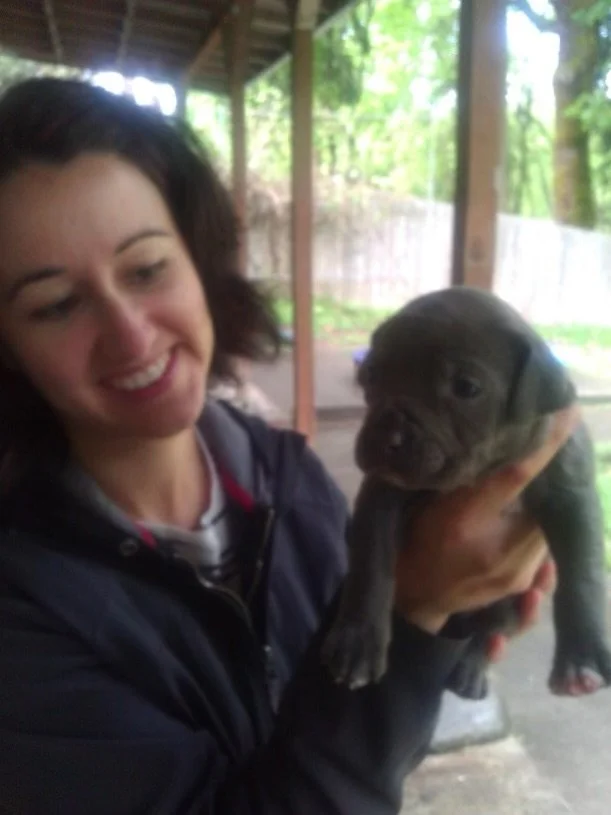
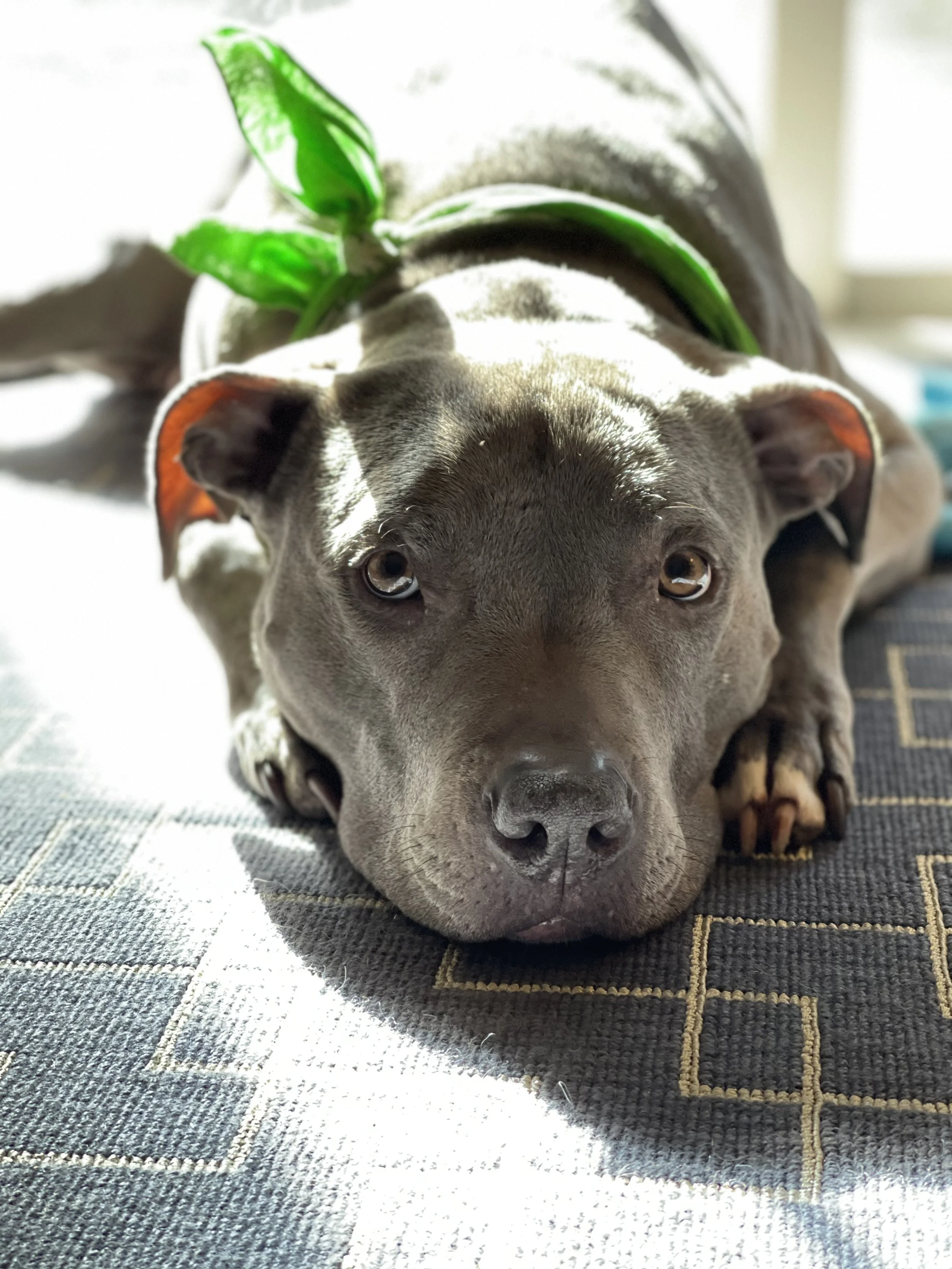
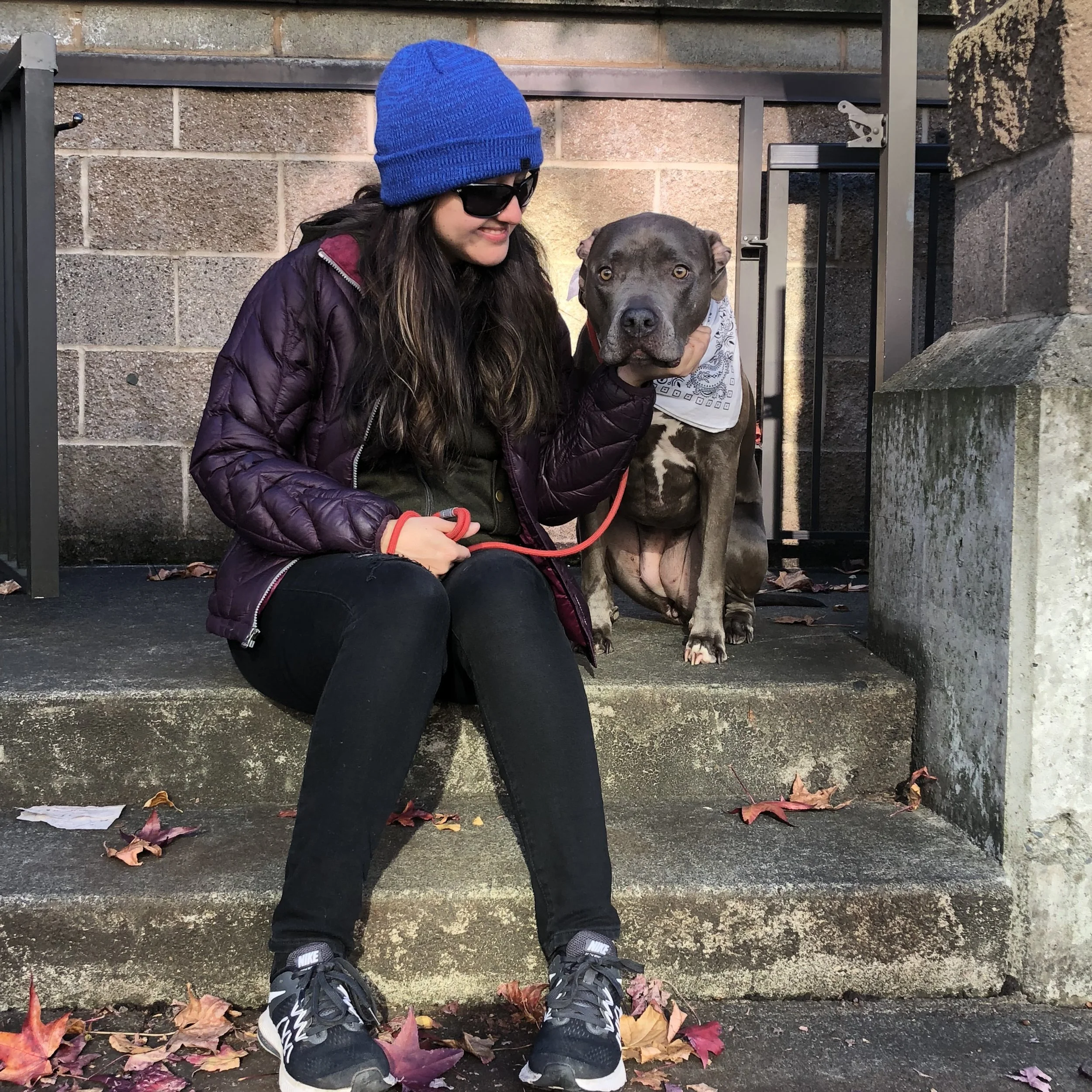
But the grief that hit after actually scheduling the appointment knocked the wind out of me. I cried all day leading up to it, and I’ve cried every day since.
No, it’s not the same as losing a human family member… but it is losing a family member.
Our pets give us unconditional love, emotional companionship, and constant presence. Nova was part of our family for over 13 years. Her absence leaves a massive hole, even with the relief of knowing she’s no longer in pain.
Last week, I felt exactly like my friend with the bunny. I didn’t want to see anyone. I couldn’t talk about it. The grief swallowed me in a way I wasn’t expecting. It wasn’t until she was gone that I realized just how much comfort I felt simply having her by my side.
And yet — I’m so grateful for what grief has taught me. I understand it better now. I didn’t hold back tears or shame myself for hurting this deeply. I didn’t force myself to “be strong” or pretend everything was fine when it wasn’t.
But I’m also supporting myself through it. Caring for my body. Caring for my emotions. Letting the waves come and doing what I can to stay grounded through them.
Grief and loss are some of the most difficult human experiences we face. We’ll never fully understand what someone else is going through — and sometimes we don’t even understand what we’re going through until we’re in the thick of it.
If you are also in a season of grief, just know you’re not alone. Whether you’re grieving a person, a pet, a relationship, a dream, or a chapter of life that’s quietly closing, your pain is valid. Your hurt is real. And your nervous system is doing its best to move you through something that matters.
So be gentle with yourself. Let the waves come. Let others support you. And remember that grief isn’t something you “get over.” It’s something you learn to live alongside.
The more we can honor our pain instead of ranking it, the more safety our nervous system feels, and the more fully we’re able to heal.