What If Your Protective Patterns Aren't the Problem?
I had a tough day last week and all I wanted to do was lie on my couch and doom scroll on my phone while eating ice cream. I was on a week long detox so I had to skip the ice cream, but I was suddenly very aware of my desire to soothe with food.
While I didn’t end up giving in to those desires, there have been many other times where I have. When life feels heavy and I just want something that’s going to make me feel better.
But then, inevitably, I’d regret doing it.
It’s funny (and annoying) how quickly something that felt like comfort a few minutes ago can become the thing we beat ourselves up for later.
We all have these things. Habits or patterns that we wish we could stop, that we keep promising ourselves we’ll never do again. The thing that fills us with shame every time we give in.
Maybe for you it’s not food, but when life feels stressful you start shutting down. Maybe you can’t stop worrying. Or maybe you start to overfill your schedule or suddenly need everything to feel perfect.
Whatever your method is, there’s a common reaction. We feel lazy, weak, or broken. We berate ourselves for our lack of discipline, because we should know better. And if it’s something we’ve been trying to improve for a long time, we feel like change won’t ever be possible. Which only fills us with even more shame.
But what if these habits or patterns are not evidence of something being wrong with you? What if every one of them had a reason? What if they’re there because your nervous system was trying to help you?
When I was able to shift my perspective on my patterns and actually see them as protective, it changed everything for me. And I know this reframe can do the same for you.
But before we dive in, let’s explain what a protective pattern is in the first place.
What is a protective pattern?
A protective pattern is anything your brain or body learns to do because, at some point, it increased the chances that you’d be okay.
Your nervous system is not trying to make you happy. It’s not trying to make you successful. It’s not even trying to make you healthy. It’s just trying to help you survive.
Moment by moment, it’s determining what’s safe and what is not, and then sending signals of action (or inaction) to help you get back to safety when it thinks you need it.
And it often does this through patterns. Most of us have a lot of different patterns we’ll turn to depending on the threat, but often there are ones we go back to over and over again. And a lot of them you likely don’t view as protective because it feels more like sabotage. But even those patterns are, at their core, the nervous system just trying to be okay. And somewhere along the way, this is what worked.
The fascinating (and frustrating) thing about protective patterns is that they eventually stop feeling like choices. The more often your brain uses something successfully to reduce stress — even temporarily — the stronger that pathway becomes. Eventually, your nervous system reaches for it before you’re even consciously aware of it. That’s why these patterns end up feeling so automatic and like you’re out of control. It’s not because you’re weak, it’s because your brain has become so efficient at repeating what it believes worked before.
Ways Your Nervous System Protects You
When you start digging in here, you’ll start to see so many different areas in your life where you’re protecting. I’m going to give you some ideas of where to look, but this is not an exhaustive list. It’s just the places I see show up for people most often.
I broke these into categories that describe what your nervous system is trying to do. There’s some overlap, but this gives you an idea of what this can look like.
And yes, this is a lot. This list isn’t here for you to judge yourself, it’s to help you see yourself and your patterns so that you can shift how you view them.

Protection through Control
This might look like: perfectionism, overplanning, micromanaging, overthinking, replaying conversations, obsessive research, needing allll the information first, analysis paralysis, seeking constant reassurance, double and triple checking, never delegating, controlling your environment, controlling food, controlling schedules, keeping your routine rigid, needing to know exactly what’s going to happen next.
You seek certainty when things feel uncertain because you’re trying to feel safe.

Protection through Avoidance
This might look like: procrastination, avoiding difficult conversations, avoiding conflict, canceling plans, always staying home, emotional numbing, not opening emails or texts, putting off doctor appointments, not applying for that job or promotion, avoiding relationships, quitting too early, staying “busy” instead, avoiding emotions, sleeping excessively, doom scrolling to avoid thinking.
The underlying thought is, “If I don’t face it, it won’t hurt me.”

Protection through Constant Alertness
This might look like: constant worry, hypervigilance, always scanning your environment for danger, catastrophizing, worst-case scenario thinking, difficulty relaxing, always waiting for something bad to happen, difficulty enjoying positive moments, constant news checking, always reading body language, constant monitoring of your own symptoms, googling every symptom, always thinking through an exit strategy.
These all make you feel more prepared. “When I can see it coming, I can avoid the pain.”

Protection through Pleasing
This might look like: people pleasing, over-apologizing, never asking for help, taking responsibility for everyone’s feelings, never saying no, over-giving, becoming whatever other people need, avoiding disagreement, keeping the peace to your detriment, over-explaining, seeking validation, fear of disappointing people.
Relationships equal survival. So if I can just keep everyone happy with me, I’ll stay in the group.

Protection through Withdrawal
This might look like: isolating, shutting down, going quiet, emotionally checking out, dissociation, losing motivation, brain fog, not answering texts, feeling detached, freeze mode, difficulty making decisions, wanting to hide.
The desire is to disappear, because then nothing can hurt you.

Protection through Performance
This might look like: being hyper productive, always accomplishing, never resting, constant self-improvement, hustling, needing the next achievement, overfilling your plate, difficulty sitting still, hobbies become work, feeling guilty when resting, always on.
You need to feel valuable because at some point, that’s what made you feel safe.

Protection through Comfort
This might look like: emotional eating, sugar cravings, alcohol, shopping, scrolling, binge watching, gaming, pornography, nail biting, hair pulling, skin picking, chewing gum obsessively, excessive caffeine or stimulants, substances like marijuana or nicotine.
Even when things fall into addiction, they’re still attempts to regulate during stress.

Protection through Fighting Back
This might look like: irritability, always snapping, anger that feels bigger than the moment, defensiveness, needing to win or be right, constant criticism (of self and others), controlling other people’s behaviors, needing to be the toughest or strongest.
You don’t want to feel weak, so you use force or try to take control in order to feel safe.
Protection through The Body
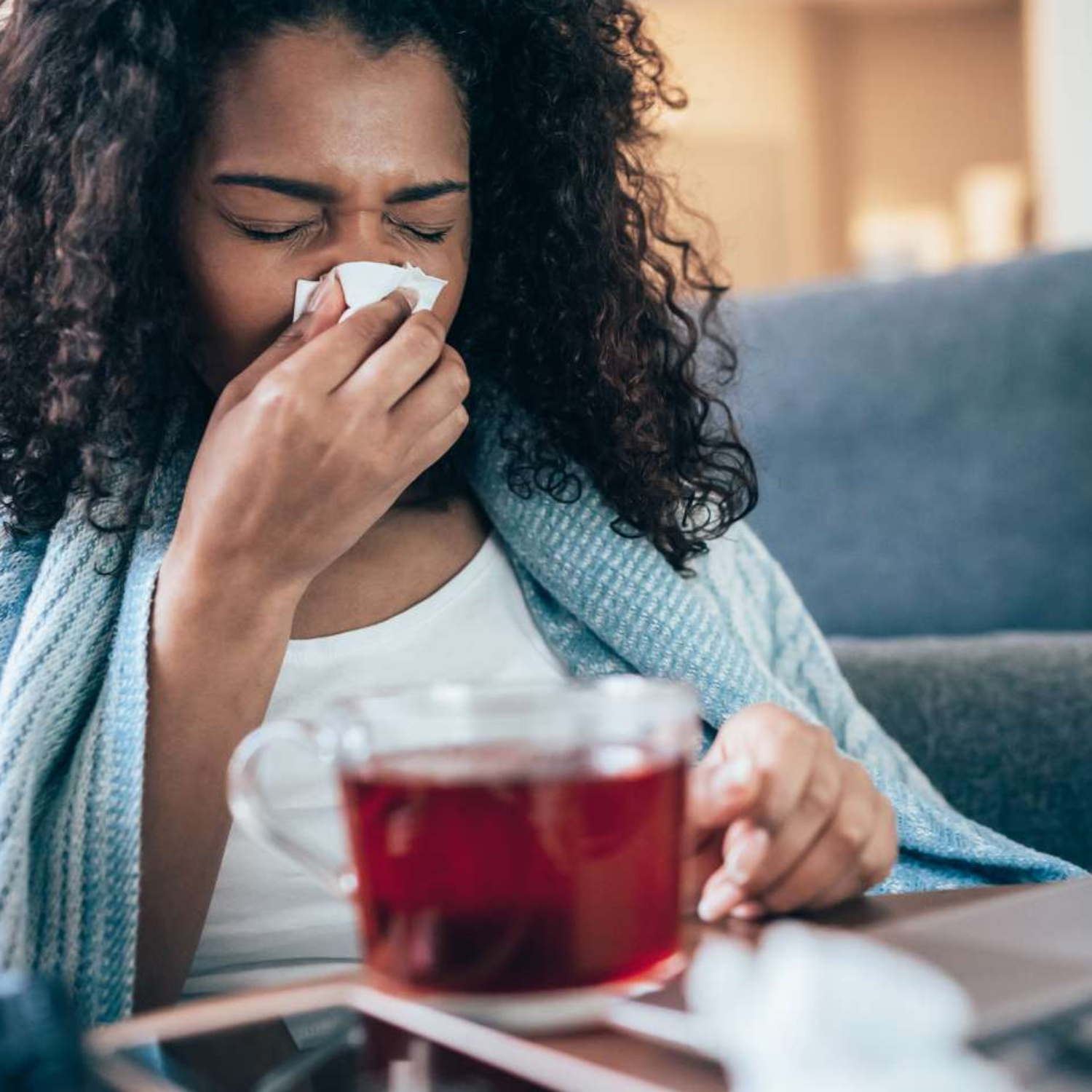
This might look like: muscle tension, chronic guarding, holding your breath, slower digestion, IBS, pain amplification, fatigue, sleep problems, headaches, jaw clenching, teeth grinding, dizziness, increased sensitivity, inflammation, reduced appetite, increased appetite, always getting sick, hormonal disruptions.
Symptoms are sometimes on purpose, because being sick feels safer than being well.

Protection through Character
This might look like: being the funny one, always smiling, being the helper, being “the strong one”, toxic positivity, making yourself small, extreme independence, being stoic, always agreeing, being the caretaker, never asking for your needs.
Sometimes these are just parts of who we are, and sometimes they’re traits we developed in order to survive.
Protection through Constant Healing
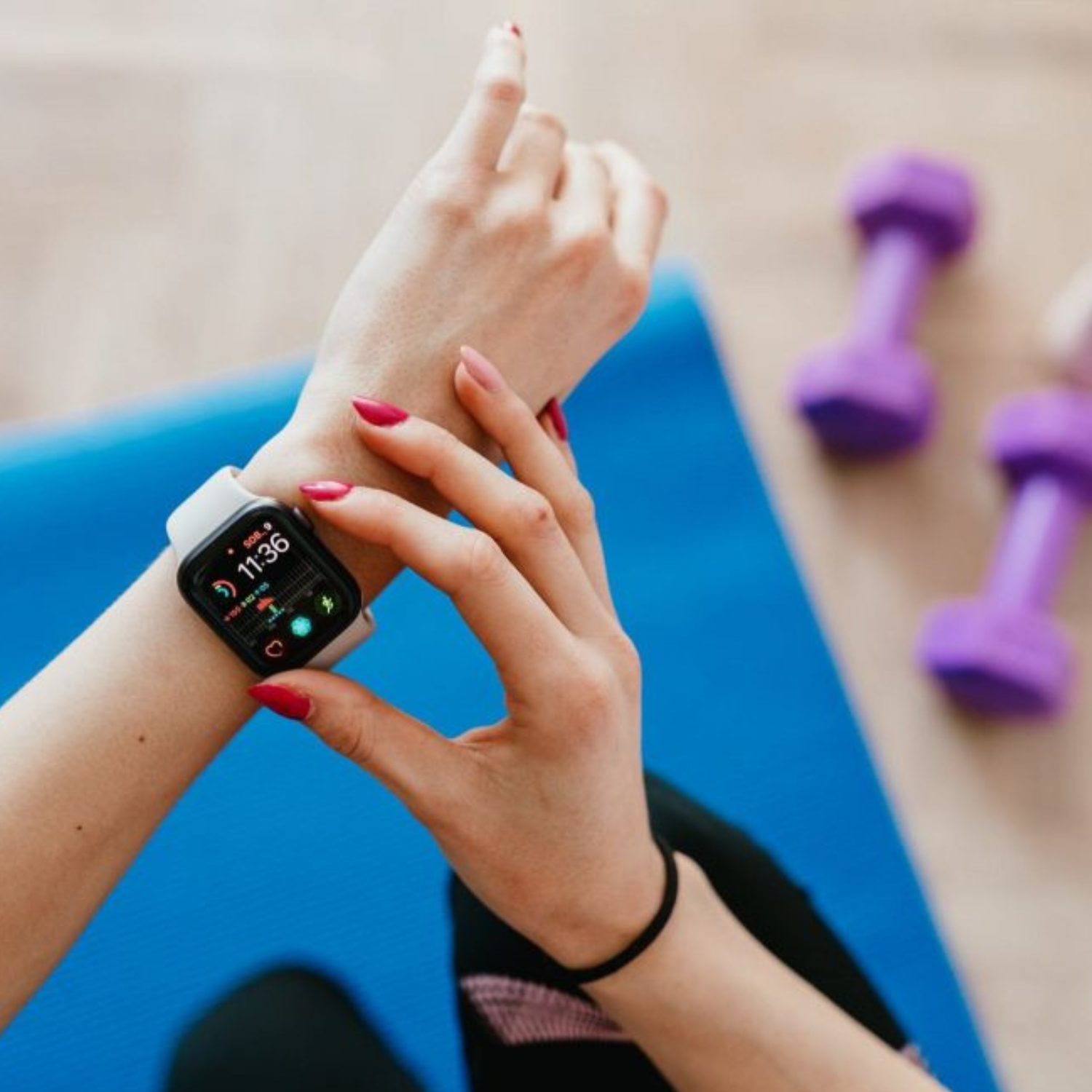
This might look like: always searching for the next protocol, buying all the supplements, never trusting progress, feeling guilty when you’re not actively working on yourself, obsessing over sleep scores, tracking every symptom, obsessively learning to diagnose, signing up for every course, trying another practitioner.
“Healing” can feel like taking action, but it can also be another way you’re trying to feel safe.
Whew, that was a lot. Did you see yourself somewhere in there? I know I see myself in multiple different places.
But here’s what I want you to know about all of these patterns. These are not character flaws, even though that might be what you’re telling yourself. These are all solutions your nervous system came up with using the information and resources it had at the time.
At some point, they were necessary. And even effective. They kept you safe in the moment, even if they didn’t serve you in the long run. There is incredible power in looking back at what you survived, and acknowledging all you did to protect yourself.
You didn’t break. You didn’t give up. You adapted in whatever way your nervous system believed gave you the best chance of making it through.
Learn to Appreciate Your Protective Patterns
Most often, we view these patterns as something to fix, something we just wish would stop. And I get it, that’s how I felt for a very long time too. It’s easy to see where all of these patterns are only harming us, so of course we want to make changes.
But when we view these as only bad, it can easily keep us stuck in a loop.
I feel bad and so I choose comfort food to feel better. But now I feel ashamed because I gave in to eating unhealthy foods, so now I feel bad. So I choose comfort foods to feel better again. And the cycle continues.
While we do want to shift out of patterns that are no longer serving us, the first step is changing how we view them.
I feel bad and so I choose comfort food to feel better. I notice that I chose food because I just wanted something easy to make me feel better. I understand why I did it, and I appreciate that it was just me trying to protect myself from discomfort. Now when that desire comes up again, I can see it for what it is, and even make a different choice in order to soothe.
When we have appreciation for these patterns and recognize them as the tools we had when we didn’t have anything else, it completely changes what happens next.
But you might be thinking, “But Deborah, if I view these things positively, won’t I just continue doing them? Won’t it just make it harder to fight them and avoid them? Don’t I need to hate them?”
In short, no. Not at all.
In fact, it’s that hatred that keeps you turning to them over and over again. The hatred feeds that feeling of being unsafe, which is what makes you need that thing to feel safe again.
As long as you’re fighting your protective pattern, you’re fighting yourself.
The judgment reinforces the pattern. But curiosity loosens it. Understanding and appreciation is what allows you to change it.
It All Comes Down To Shame
There’s one more pattern that I feel like I need to call out because it’s the one that tends to go with all the others, but it’s really a protective pattern all in itself. And that’s shame.
Whenever we catch ourselves doing the thing we wish we wouldn’t, shame is right there waiting.
And here’s the difficult thing about shame: Healthy shame is incredibly motivating. Or at least that’s how it’s intended. You say something mean to your friend and it really hurts their feelings. You then feel shame, which is entirely appropriate in that situation. The shame motivates you to apologize to your friend, restore the relationship, and avoid doing that again.
But this is not how shame works for most of us. And the reason is because we’re experiencing shame for trying to protect ourselves. It’s conflicting. One part of us is driven to continue taking this same action because we think we need it to survive, and another part of us sees the negative consequences and wants to keep us from doing it again.
And here’s where it gets extra complicated: our subconscious often uses shame to motivate us to take the comfort seeking action. The shame becomes a protective pattern all on its own. If I feel shame, I’ll keep myself small, I won’t do scary things, I’ll stay in this pattern which keeps me protected, which helps me to survive.
Shame becomes the means we use to make our world feel predictable. Even if it means we feel awful about ourselves. But at least we’re safe.
How To Stop These Patterns
This heading is a trick, because I don’t actually want you to try to stop these patterns. Likely you’ve been trying to stop for a really long time and it hasn’t worked. That doesn’t mean it’s impossible to stop, it just means you need a different way.
What made everything shift for me was first changing how I viewed these patterns.
I acknowledged what it did for me. I acknowledged that this was me trying to protect myself, not something I was doing because I hated myself or because I was weak.
And then I developed gratitude. Yes, even for the things that caused what felt like damage. Because behind it all, I was just trying to feel safe. I was just trying to survive, and I didn’t know any better. These were the only things I had access to at the time.

This change in perspective is what allowed everything else to change as well.
So don’t skip this step. The next time you catch yourself in any of these behaviors, instead of feeding the berating thoughts because it feels like you deserve them.. try to get curious instead. Ask what this pattern or behavior is trying to do for you. How is it keeping you safe? Notice any shame thoughts, but don’t dwell on them. They’re there as protection too.
This is how we change. Once this part shifts, it allows room for making different choices and finding healthier ways to help yourself feel safe.
The goal isn’t to become someone who doesn’t need protection. The goal is to become someone with more ways to find it.
Your nervous system is adaptable. And once it learns that safety can come through things like connection, curiosity, rest, boundaries, movement, compassion .. it no longer has to rely on the old strategies that helped you survive before.
One more thing before you go.
Some of what's in this piece is tied to real trauma, not just everyday stress. If something in here stirred up more than an "oh, that's me,” if there's dissociation that feels disorienting, a dependency that feels out of your control, or shame that feels bottomless rather than just heavy - I want you to know that's not something you have to sort through on your own.
This work supports your nervous system, but it isn't trauma therapy, and it isn't meant to replace it. If anything here felt bigger than what you can walk with on your own, please consider working alongside a trauma-informed licensed professional. Needing that support isn't weakness. It's just another form of the same thing this piece is about.